
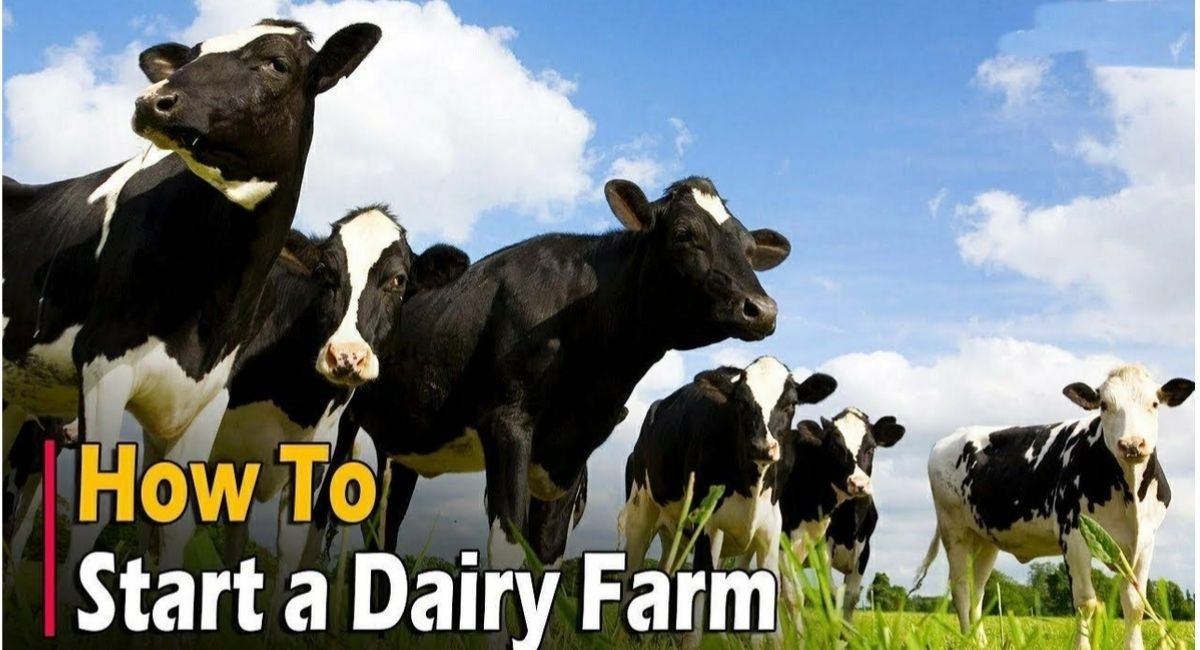
Starting a dairy farm is a rewarding way to build a profitable agricultural business while working closely with animals and the land. I have seen that whether you want to produce milk for markets, make cheese and yogurt, or create a family‑run farm operation, success begins with smart planning.
A dairy farm is more than owning cows or goats; a dairy farm is a system that depends on animal care, facilities, equipment, feeding, breeding, and reliable marketing.
If you are wondering how to start a dairy farm, the key is to begin with a clear business plan, a realistic budget, and practical goals.
With the right setup, even a small group of cows can become a strong source of income and long-term growth.
1. Create a Dairy Farm Business Plan
Before buying animals or building barns, the farmer should write a business plan.
A detailed business plan will help the farmer understand startup costs, operating expenses, the target market, and expected returns.
A strong dairy farm business plan should include:
- Farm goals: Milk production, breeding, value-added products, or agritourism
- Target animals: Dairy cows, goats, or sheep
- Location: Land size, climate, water access, and proximity to markets
- Budget: Land, buildings, livestock, feed, labor, and veterinary care
- Sales plan: buyers, local markets, creameries or direct-, to-consumer sales
Farm goals:
A good plan lowers chances of problems. Helps you make smarter choices right from the start. It also makes it simpler to get loans or find people who want to invest money if you need it. A good plan lowers the chances of problems.
Helps you make smarter choices right from the start. It also makes it simpler to get loans or find people who want to invest money if you need it.
2. Choose the Right Dairy Animals
The type of livestock you choose will shape the operation. When you pick the livestock, it will set the tone for your whole operation.
Dairy cows are the common choice, but small farms also work well with goats or sheep. Each option has care needs, milk output, and market potential.
Dairy Cows
Dairy cows produce large amounts of milk and are good if you want to supply local processors or sell raw milk where allowed. Popular breeds include Holstein, Jersey, and Guernsey. Jerseys are especially prized for high-butterfat milk.
Dairy Goats

Goats are smaller, easier to manage on land, and often have lower startup costs. Goat milk is popular for cheese, soap, and specialty products. Breeds such as Nubian, Alpine, and Saanen are choices for small farms.
Dairy Sheep
Sheep milk is less common. It can be highly profitable in specialty markets. Sheep milk is often used for premium cheeses and artisan dairy products.
When I pick animals, I look for productive stock with good genetics. I buy from breeders and ask for health records whenever possible.
3. Secure Land and Build Proper Facilities
Land is an important factor when your dairy farm starts. Your dairy farm must have space for grazing, barn housing, feed storage, and waste management.
The exact amount of land needed depends on the size of your herd. Whether your dairy farm plans to use mostly pasture or stored feed.
Your dairy farm facilities should include:
- Milking area: is clean, efficient, and easy to sanitize
- Housing barn: protects from weather and offers ventilation and drainage
- Feed storage: has space for hay, grain, and supplements
- Water system: gives reliable access to clean water for animals and for cleaning
- Manure management: is safe and environmentally responsible for waste handling
I see that good facility design improves productivity and animal health. Even a small dairy farm needs a layout so the daily work stays efficient.
4. Buy Essential Dairy Farm Equipment
I notice that equipment needs vary when herd size grows or when production style shifts. Equipment that is essential for almost every dairy farm stays the same.
Equipment such as milking machines, milk storage tanks, buckets, feed mixers, fencing, and cleaning supplies are always required.
Common dairy farm equipment includes:
- Milking. Supplies for hand milking
- Systems for cooling and storing milk
- Feed troughs and waterers for livestock
- Tractors or compact utility equipment for farm work
- Brushes, disinfectants, and sanitation tools for cleaning
When you start small, don’t buy everything away. Focus on the equipment you need for safe milking, proper storage, and good animal care. As your farm grows, you can gradually add machinery and automation.
5. Plan for Feed and Nutrition
Healthy cows need food to stay healthy. When animals get the right mix of food, clean water, and good grass to eat, they make more milk. The cost of food can be one of the things to pay for, so it’s important to think about it before it happens.
A good plan for feeding dairy cows should include:
- Pasture grazing: Where climate and land conditions allow
- Hay or silage: For energy and fiber
- Grain or concentrate feed: To support milk production
- Minerals and supplements: To prevent deficiencies
- Fresh water: Always available and clean
Work with a livestock nutritionist or an experienced veterinarian. The livestock nutritionist and the veterinarian can help you make a feeding strategy that fits your animals.
The feeding strategy must also match your land and your budget. A good feeding strategy will keep your animals healthy. Your costs low.
6. Prioritize Animal Health and Reproduction
A successful dairy farm starts with animals. To keep them in shape, you need regular health checks, vaccinations, and parasite control. Don’t forget care—healthy hooves mean healthy cows.
It helps to build a relationship with a local veterinarian who knows dairy livestock well. That way, you can get advice when problems come up.
Reproduction plays a role too. Most dairy animals need a breeding plan to keep milk production steady and grow the herd over time.
You can decide on breeding or artificial insemination. Your choice depends on your goals, your farm’s size, and what works best for you. Both methods can help you manage your herd effectively.
Healthy animals produce more milk, breed more effectively, and lower long-term costs.
Keep notes about when animals are bred, when they give birth, how much milk they produce, and what medical care they get. Having records makes it easier to see issues before they become big problems and helps make the whole herd stronger over time.
7. Understand Milk Handling and Food Safety
Milk needs to be treated with care to keep it good and safe to drink. Clean ways of milking, cooling, and clean places to store it are very important. If you want to sell milk yourself, you have to follow all the rules in your area and the food safety laws.
Important milk handling practices include:
- Clean udders and equipment before every milking session
- Filter the milk right after it is collected
- Cool the milk as soon as possible to the correct temperature
- Keep the milk in clean containers that have been properly washed
- Make sure to follow all the rules and inspections that are required
If you want to make cheese, you need to know how to process it. You also need to know how to make butter. Making yogurt also requires knowledge.
All of these things must follow food production standards. You must understand the rules for making cheese. You must understand the rules for making butter.
You must understand the rules for making yogurt. It is important to follow food production standards when you make cheese.
It is important to follow food production standards when you make butter. It is important to follow food production standards when you make yogurt.
8. Decide How You Will Sell Your Dairy Products
Marketing is as important as production. Before the gallon of milk is ready, marketing must decide how to sell that milk. Small dairy farms often succeed by focusing on niche markets.
Possible sales channels include:
- Local dairy processors help keep milk in the town.
- Farmers’ markets bring produce and dairy to the community.
- Direct farm sales allow customers to buy milk from the farm.
- Restaurants and specialty shops order milk and dairy items for their menus.
- Subscription milk delivery brings milk straight to your door.
- Value‑added products, like cheese, yogurt, and soap, turn milk into treats and clean goods.
Branding matters too. Customers often choose dairy farms because they trust the story behind the product. When people know where their milk comes from, they feel more connected.
Clear labeling helps build that trust. Consistent quality makes sure customers come back. A strong local presence strengthens the relationship with the community. All these things together help your farm stand out.
9. Manage Labor and Daily Operations
Even a small dairy farm needs discipline and routine. We know that. On a dairy farm animals on a dairy farm must be fed, milked, cleaned, checked and monitored every day. Labor on a dairy farm can be done by family members, hired workers, or by both together.
A simple daily workflow on a dairy farm may include:
Morning animal inspection
Check all animals for signs of illness or injury. Look for any changes in behavior. Make sure each animal is standing properly. Note any issues for the vet.
Feeding and watering
Give feed to every animal. Make sure feeders are clean. Fill water troughs with water. Check water flow. Ensure all animals have access to water.
Milking and milk cooling
Collect milk from cows. Use clean milking equipment. Cool milk quickly after milking. Store milk at the correct temperature. Keep records of milk yield.
Barn cleaning and manure removal
Remove manure from stalls. Clean. Walls. Disinfect areas if needed. Open windows for ventilation. Keep the barn dry and tidy.
Afternoon health. Pasture rotation
Check animals again for health problems. Look for lameness or swelling. Move animals to pasture. Prevent overgrazing. Monitor grass growth.
Evening. Milking if needed
Feed animals again if they need more food. Check if any cows need milking. Use clean methods. Record what is done. End the day with a check.
Efficiency gets simpler when tasks are the same every time, and the farm setup makes it easy to move around. Having habits takes away time and makes things less stressful for everyone involved, including the animals.
10. Start Small and Grow Carefully
Efficiency gets simpler when tasks are the same every time, and the farm setup makes it easy to move around. Having habits takes away time and makes things less stressful for everyone involved, including the animals.
Conclusion
Starting a dairy farm requires careful planning, patience, and hard work. It can also give you a profitable business. Choose the animals. Build facilities. Manage feed and health. Create a sales strategy. These steps build a base for long‑term success.
If you are serious about starting a dairy farm, start today with one step: write your business plan and set your first small goals. A thoughtful start is an investment in your future dairy farm.

Ali Hamza is the writer behind IdeaBloomer, a blog that shares practical, beginner-friendly guides on business ideas, startup planning, and turning ideas into action. Each article is researched using official and reputable sources, written in plain language, and updated when information changes. His goal is to help new entrepreneurs take clear, realistic first steps.