
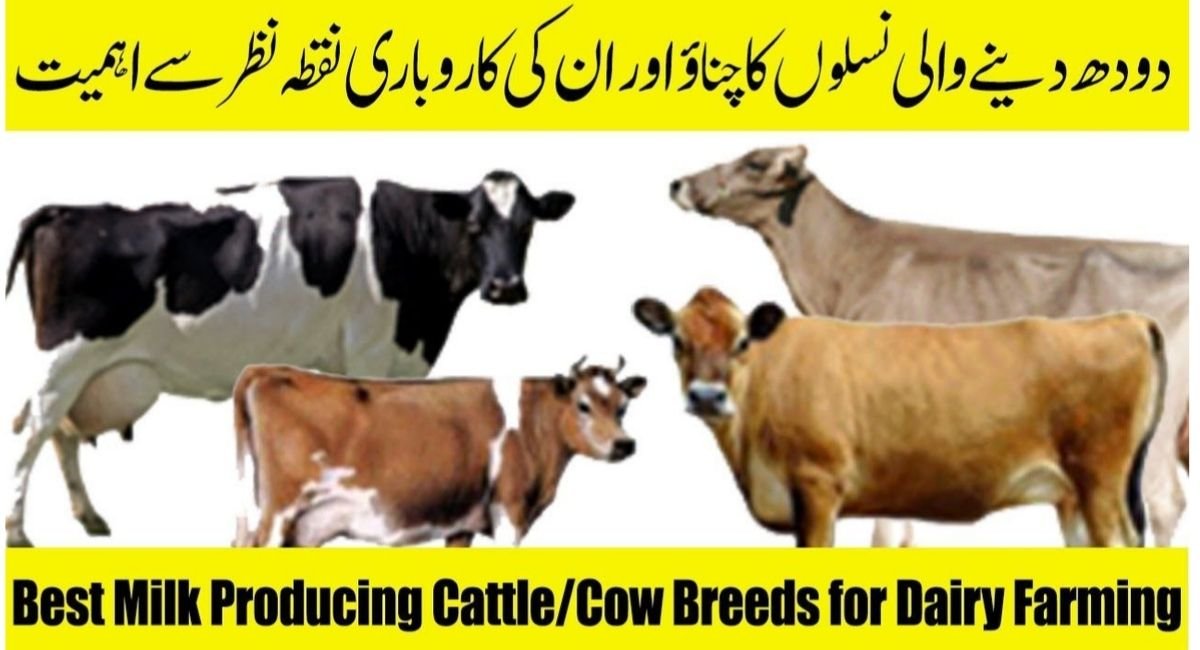
Compare the best dairy cow breeds for small farms: Sahiwal, Red Sindhi, Jersey, Holstein Friesian and more. Milk yield, climate fit and costs explained
Once you choose your cow, you can plan how to earn from her milk. See our guide on dairy farming business ideas for beginners.
Choosing the best dairy cow breeds for small farms is the most important decision a new dairy farmer makes. The right breed matches your climate, feed supply, and market. The wrong one can drain your budget. This guide compares popular breeds for small herds, with notes for dairy farming in Pakistan and other warm regions.
What Makes a Dairy Breed Right for a Small Farm?
Small farms usually have limited land, labor, and capital. Look at these factors before comparing breeds:
- Milk yield per lactation: the total milk a cow produces in one cycle, usually about 305 days.
- Butterfat content: important if you sell to processors who pay on fat percentage, or make butter and ghee.
- Heat and disease tolerance: critical in South Asia, where summer temperatures stress cattle.
- Feed efficiency: smaller cows generally need less feed.
- Temperament: calm cows are safer and easier to milk by hand.
Best Dairy Cow Breeds for Small Farms
1. Sahiwal: Best Local Breed in Pakistan
The Sahiwal is a zebu breed that originated in Punjab, Pakistan. Researchers describe it as one of the best zebu dairy breeds for tropical conditions. It tolerates heat and resists ticks better than most exotic breeds. Reported Sahiwal cow milk production is roughly 1,500–2,500 litres per lactation, though field averages are often lower and depend heavily on feeding. Its milk is also relatively high in fat.
Best for: farmers in hot climates with moderate feed budgets.
2. Red Sindhi: Hardy and Compact
Red Sindhi cattle originate in Sindh and are well suited to harsh conditions. Reported yields range from about 1,200 to 2,000 litres per lactation (roughly 4.5–6 litres daily in some records). The breed is smaller than the Sahiwal and generally gives somewhat less milk, but it is hardy and fits small holdings.
Best for: low-input farms in hot, dry regions such as Sindh.
3. Jersey: High Butterfat, Small Frame
Jerseys are among the smallest dairy breeds, with mature cows commonly around 380–450 kg. They are known for high butterfat (about 4–5%) and are efficient converters of feed into milk. Yields of around 3,600 to over 4,500 litres per lactation are reported in good conditions. Jerseys cope with warmth better than Holsteins, but they are sensitive and need good care.
Best for: farms that sell milk by fat content or make dairy products.
4. Holstein Friesian: Highest Volume, Highest Needs
Holstein Friesians produce more milk than any other major dairy breed, often 6,000–9,000 litres or more per lactation under ideal management. Their milk has lower fat (about 3–3.5%). They are large, need high-quality feed, and can suffer heat stress without shade, cooling, and good nutrition. They suit well-resourced operations better than low-budget starts.
Best for: farmers with reliable feed, cooling facilities, and veterinary access.
5. Crossbreds: A Balanced Option
Pakistani livestock authorities recommend crossbreeding local cattle with proven local breeds (such as Sahiwal) or exotic breeds (such as Holstein Friesian or Jersey). Crossbred animals often show higher milk output, earlier maturity, and a shorter calving interval than non-descript local cattle. Research on Sahiwal crosses with Friesian and Jersey at Pakistani research farms has documented these effects. Results vary by herd, so work with a local veterinarian or livestock department.
Best for: farmers who want more milk than local breeds give but better heat tolerance than pure exotics.
Other Small-Farm Options Worldwide
In cooler regions, Guernsey cows (known for rich, golden milk) and Dexter cattle (a small Irish breed) are popular with homesteaders. Check local availability and breed-specific advice before buying.
Quick Comparison
| Breed | Typical Yield (per lactation) | Heat Tolerance | Feed Needs |
|---|---|---|---|
| Sahiwal | ~1,500–2,500 L | High | Low–moderate |
| Red Sindhi | ~1,200–2,000 L | High | Low |
| Jersey | ~3,600–4,500+ L | Moderate | Moderate |
| Holstein Friesian | ~6,000–9,000+ L | Low–moderate | High |
| Crossbred | Varies | Moderate–high | Moderate |
How to Choose the Right Breed
- Match the breed to your climate. Hot regions favor Sahiwal, Red Sindhi, or crossbreds.
- Be honest about feed. High yields need high-quality feed and clean water.
- Consider your market. Selling to processors may reward fat content, volume, or both.
- Start small. Begin with a few healthy animals and learn before expanding.
- Consult professionals. Livestock departments and veterinarians know local disease risks, vaccination schedules, and regulations.
Frequently Asked Questions
What is the best dairy cow for a small farm?
There is no single best breed. Jersey suits cooler or well-managed farms, while Sahiwal and Red Sindhi suit hot climates.
Which cow gives the most milk in Pakistan?
Holstein Friesians and their crosses yield the most, but they need better feed and cooling than local breeds.
Is Sahiwal better than Holstein for beginners?
Sahiwal is generally more forgiving in hot, low-input conditions. Holstein produces more milk but requires more investment.
Final Thoughts
The best dairy cow breeds for small farms are the ones that fit your climate, budget, and goals. Compare yield, heat tolerance, and feed needs, then talk to local farmers and veterinarians before you buy.

Ali Hamza is the writer behind IdeaBloomer, a blog that shares practical, beginner-friendly guides on business ideas, startup planning, and turning ideas into action. Each article is researched using official and reputable sources, written in plain language, and updated when information changes. His goal is to help new entrepreneurs take clear, realistic first steps.
1 thought on “Best Dairy Cow Breeds for Small Farms: A Practical Guide”